Your home’s drainage system plays a crucial role in protecting it from rain, snow, ice, and standing water. By directing water away from the foundation, it prevents leaks, soil erosion, and damage to walls and roofs. Many problems with old or damaged gutters go unnoticed until they cause significant damage, resulting in costly repairs. Knowing the signs that parts of your drainage system need replacement is essential to save time, money, and avoid headaches.
In Calgary, where weather conditions can be extreme, preventive maintenance is even more critical. Heavy rains, strong winds, snow accumulation, and freeze-thaw cycles can quickly compromise an aging or faulty drainage system. That’s why relying on trusted experts like Gutter Calgary Rock is the best way to ensure your home’s water management remains safe and effective.
1. Gutters: Overflowing or Poorly Draining Water
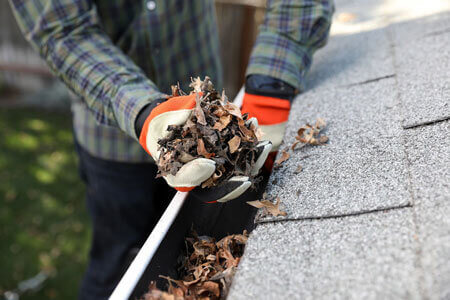
One of the most obvious signs your drainage system needs attention is frequent water overflow. When water cannot flow properly, it may accumulate or run down the walls of your home, causing stains, leaks, and soil erosion.
Practical Tips:
- Monitor performance during heavy storms or prolonged rain.
- Test water flow with a hose to identify problem areas.
- If overflow is recurring, contact Gutter Calgary Rock for professional evaluation.
2. Cracks, Holes, and Loose Joints
Cracks, holes, or open joints compromise the water flow and can quickly become serious problems. Small leaks may allow water into walls and roofs, causing structural damage and mold growth.
Practical Tips:
- Silicone sealants may provide temporary fixes, but severely damaged sections should be replaced.
- Professionals from Gutter Calgary Rock can quickly determine which areas require full replacement.
- Inspect regularly, especially after strong winds or storms.
3. Loose or Misaligned Sections gutteres.
Loose or misaligned parts indicate weakened supports or poor installation. In Calgary, where snow and ice are common, this poses a real risk of deformation or collapse.
Practical Tips:
- Check brackets at least twice a year.
- Adjust loose supports or replace compromised sections with help from Gutter Calgary Rock.
- Proper alignment ensures water flows naturally to downspouts, avoiding buildup and overflow.
4. Rust or Corrosion
Metal components can develop rust or corrosion, weakening the structure and creating holes. Over time, this compromises drainage and increases the risk of leaks.
Practical Tips:
- Determine whether rust is superficial or structural; deep rust typically requires replacement.
- Gutter Calgary Rock offers durable alternatives like aluminum or copper that withstand Calgary’s extreme climate.
- Regular maintenance, including painting and sealing vulnerable areas, helps extend the lifespan of metal sections.
5. Ice Buildup in Winter
Ice accumulation is a critical sign that the system isn’t draining properly. Ice can block water flow, warp or crack sections, and damage your roof and eaves.
Practical Tips:
- Install ice guards or heating cables with the assistance of Gutter Calgary Rock.
- Remove leaves and debris before winter to reduce freezing points.
- Monitor the system after snowstorms or the first frost.
6. Visible Damage to Walls and Foundation
Water stains, leaks, or erosion near your home indicate that your drainage system isn’t functioning correctly.
Practical Tips:
- Inspect your foundation and exterior walls regularly during and after fall rains.
- Replacing damaged components with professionals from Gutter Calgary Rock protects your entire home structure and prevents costly repairs.
Conclusion
Replacing old or damaged parts of your home’s drainage system at the right time is essential to protect your home from rain, snow, ice, and structural damage. Observing signs like overflowing water, cracks, rust, misalignment, and ice buildup allows you to act before problems escalate. For safety, efficiency, and long-lasting performance, rely on the experts at Gutter Calgary Rock. Their comprehensive services in Calgary include evaluation, maintenance, and replacement, ensuring your system is prepared for all weather conditions, protecting your home, and preventing expensive issues in the future.