
What Are Gutters?
A rain gutter (also called an eavestrough, eaves‑shoot, spouting, or simply gutter) is a channel installed along the edge of a roof to collect and direct rainwater away from the building’s walls and foundation. Gutters prevent water from cascading off the roof unchecked, avoiding damage to walls, landscapes, and structural elements.
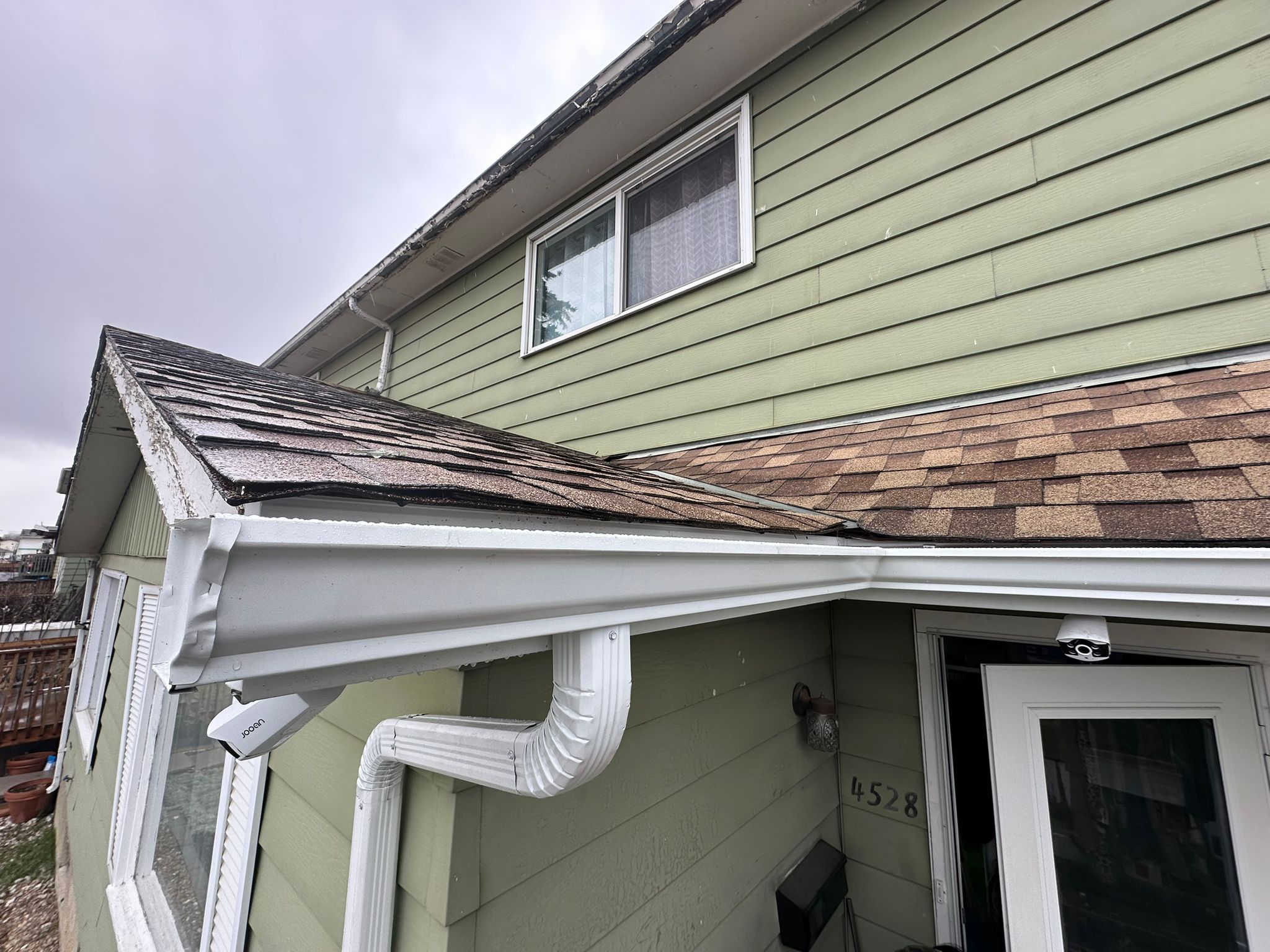
Why Are Gutters Essential?
• Protect the foundation: By channeling water away, gutters reduce soil erosion and prevent pooling near the base, which can cause foundation cracks and instability.
• Preserve walls and siding: Water running down untreated walls can cause staining, mold, and rot. Gutters redirect moisture before it damages surfaces.
• Safeguard your roof & attic: Proper drainage stops water from pooling on the roof or back‑flowing under shingles, which can lead to leaks and structural degradation.
• Maintain landscaping and prevent erosion: Gutters help keep soil erosion at bay and protect gardens, patios, and pathways from being washed out by runoff.
Common Gutter Types & Materials
Shapes include:
• K‑style: The most popular form, combining functionality with a clean, modern aesthetic.
• Half‑round: Ideal for historic or traditional homes, easy to clean but higher cost.
• Box gutters: Rectangular, often built into roof valleys or concealed behind parapets—common in commercial and modern constructions.
Materials commonly used: aluminum (lightweight and rust‑resistant), vinyl (budget‑friendly but prone to cracking), galvanized steel (strong but may rust), copper (durable, elegant, develops patina), and zinc (long‑lasting, low maintenance).
System Components
A complete gutter system typically includes:
• Gutters/troughs: Channels collected water.
• Downspouts: Vertical pipes that carry water down.
• Miters & elbows: For bends and directional changes.
• End caps: Seal gutter ends to prevent leaks.
• Leader heads: Funnel devices that accelerate water flow and reduce overflow risk.
Installation Best Practices
• Proper pitch: A slope of roughly ¼″ per 10′ ensures efficient drainage toward downspouts.
• Downspout placement: Must discharge water 3–6 ft away from foundation—or into safe drainage systems like French drains or storm sewers.
• Seamless vs. sectional: Seamless gutters reduce leak potential; sectional types are easier to repair.
• Secure attachment: Brackets or hangers must hold gutters firmly under weight and wind.
Maintenance: Keep Your System Flowing
• Clean at least twice yearly—in spring and fall—to remove leaves, twigs, and debris. Homes near trees may need more frequent cleaning.
• Inspect for damage—check for leaks, sagging, cracks, or rust; repair promptly to avoid escalation.
• Flush the system with a hose to test flow and find blockages.
• Install gutter guards (covers/screens): these reduce debris buildup, especially in leafy or cold‑climate areas. Yet, occasional maintenance is still necessary.
Common Warning Signs
Watch out for:
• Overflowing water during heavy rain, indicating clogs or poor slope.
• Sagging channels—maybe from debris weight.
• Pooling water near the foundation.
• Rust, visible holes, or separation from the fascia.
• Water stains on siding or mold growth.
Ignoring these can lead to structural damage, mold, expensive foundation repairs, or erosion.
Benefits of Good Gutter Care
• Preserves structural integrity and protects against water damage to foundation, roofing, walls, & landscaping.
• Extends product life: Prevents premature wear, rust, or sagging.
• Saves money: Proactive maintenance prevents pricey repairs—foundation work can cost $5,000–$20,000.
• Enhances curb appeal & property value: Clean, functional gutters make for a well‑maintained look.
Final Thoughts
In short, gutters are a vital—but often overlooked—element of any well‑built structure. When installed, maintained, and cleaned correctly, a gutter system protects your home from costly water damage, preserves its appearance, and contributes to longevity.
Interested in recommendations on choosing or installing gutters? Or want help comparing materials like aluminum vs copper? Let me know!